部屋
|
 |
部屋
|
|
| 絵をクリックして、音が出ますよ! | ||||||||
| この絵カードは印刷・ラミネート済みの絵カードにも入っています! | ||||||||
| スーパーパックを 購入すると以下の教材も印刷できます! 大きい絵カード (これはなに?)  ミニカード (これはなに?) 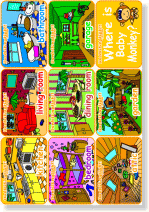  教室のポスター (これはなに?) 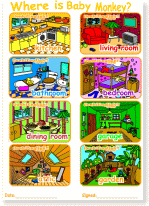 レッスンプラン (これはなに?) 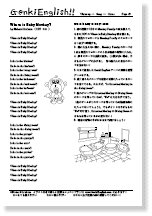 日本語 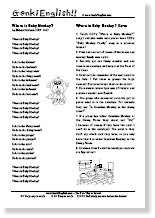 英語(ALTに) ドミノ (これはなに?) 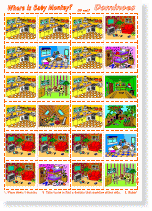 サイコロ (これはなに?) 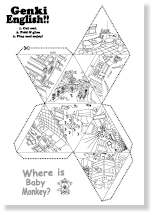 スパゲッティ (これはなに?) 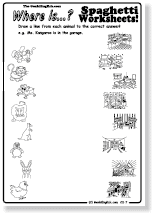 One Card Game (これはなに?)  島ゲーム (これはなに?) 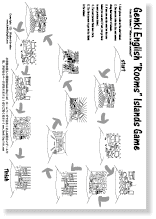 蛇はしご (これはなに?) 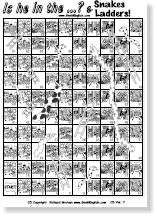 Bonus Poster 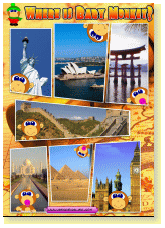 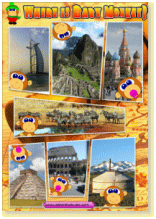 CDオーナーなら以上の絵をクリックすると印刷できます。 |
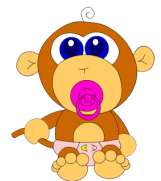
| "Where is Baby Monkey?" by Richard Graham Where is Baby Monkey? Where is Baby Monkey? Where is Baby Monkey? Where is Baby Monkey? Is he in the kitchen? (Is he in the kitchen?) Is he in the living room? (Is he in the living room?) Is he in the bathroom? (Is he in the bathroom?) Is he in the bedroom? (Is he in the bedroom?) Where is Baby Monkey? Where is Baby Monkey? Where is Baby Monkey? Where is Baby Monkey? Is he in the dining room? (Is he in the dining room?) Is he in the garage? (Is he in the garage?) Is he in the attic? (Is he in the attic?) Is he in the garden? (Is he in the garden?) Where is Baby Monkey? Where is Baby Monkey? Where is Baby Monkey? Where is Baby Monkey? |
How to teach ...
最初のWhere is Baby Monkey?のところであっちこっち見て、Baby Monkeyを探すのまねをします。次にIs he in
the kitchen?などのところでは、子どもたちはそれぞれの部屋のジェスチャーをします。ジェスチャーは先生が考えるより、子どもたち自身で考えた方がもっと単語を覚えやすくなります。
このテーマは他のwhereのテーマと相性がいいです、たとえば、 Where is Mr Monkey?, Where are you going?, Where are you from? と Where, where, where.
お勧めゲーム
こここで新しい『部屋』の"Where is Baby Monkey?"のレベルアップ的なゲームを紹介します!
1.前の授業でCD2のMonkey Familyの歌を教えて、今日はCD7のWhere is Baby Monkeyの歌を教える。
2.部屋のミニカードとMonkey Familyのミニカードを一枚づつ印刷する。
3.だれにも見えないように、Monkey Familyのカードを一枚と部屋のミニカードの一枚を秘密の封筒に入れる。
4.残りのカードは皆に配る。 (人数が多い場合、子供をグループに分ける)。 皆は他の人に自分のカードを見せない!
5.今まで勉強したGenkiEnglishテーマの簡単な復習ゲームをする。
6.早く答えたグループは秘密の封筒に入っているカードを推測してみる。たとえば、"Is Grandma Monkey in the dining
room?".
7.他のグループがGrandma MonkeyかDining Roomのカードを持っていれば、大きな声で"No!"と言う。 (他のチームがこのカードを持っているという事は、秘密の封筒にはこれは入ってないでしょう)。 ポイントは子供たちは”No!"とだけ言うこと、Grandma
MonkeyかDining Roomのどちらを持っているかは言わない!
8.秘密の封筒のコンテンツが分かるまで続けましょう!
これは有名なゲームで、この簡単版をするといい英語の練習になります。簡単すぎたら、CD7のウサギの兄弟のカードを使ってもいいし、CD2のWhat are you doing?を入れるともっと長い文章の練習ができます。"Is ( 家族) (動詞) in the ( 部屋)", たとえば、Is Mr
Monkey fishing in the kitchen? ( 変な文章になるので、皆笑います!)
Recommend Game 2
Or you could make your own super large board game, like Flossy has done
in this excellent video!
Bonus Game Idea
スーパーパックにあるソフトを使うとこの短いゲームレッスンができます。
そして、Under, on, in の前置詞のレッスンをしたことがあれば、この二つのテーマを混ぜて、"Where is the bathroom?" "It's next
to the bedroom" の様な文章が作れます!
Here are individual A4 picture cards of the background items in the "Rooms of the House" theme. So here you go, 49 brand new picture cards!
saucepan, casserole dish, microwave, toaster, tin, oven, washing machine, kitchen sink, cup, widescreen TV, video game, banana tree lamp, sofa, bath, bathroom sink, window, toilet, shampoo etc., toothbrush & toothpaste, bunk beds, wardrobe, cupboard, pillow, teddy bear, books, make up, clothes, doll, CD player, dining table, dining chairs, light, saw, hammer, garden spade, garden fork, spanner, screwdriver, rocking horse, a green box, mirror, pictures, a red box, tree house, lawnmower, a snail & a slug, bunny rabbit, worm,
Be genki,
Richard
使っている先生からのコメント
by Yumiko 先生
前回の授業が、Where is Mr. Monkey?だったので、引き続き”Where”をテーマにした歌を教えました。
イスを箱に見立てた動作をつけて、Where is Mr. Monkey?の歌を復習した後、部屋のピクチャーカードを見せながら
手を額にかざして探すふりをしてみせると、「今日は、部屋でかくれんぼ?」という声。 その通り!
Where is Mr. Monkey?で、Is he in the box?は もう言えるようになっているし、カタカナの日本語になっている部屋の名前もあるので、ちょっとチャレンジさせてみることにしました。 台所のピクチャーカードを見せて、「どう言おうか?」と聞くと、何人かが Is he in the キッチン? と自信なさそうに言ってくれました。 「すごい!」とほめて、寝室のピクチャーカードを見せると、さっきよりたくさんの子どもたちが、Is he in the ベッドルーム? [やるねー!」と、また ほめて、お風呂のピクチャーカードを見せると、 もっとたくさんの子どもたちが、Is he in the バスルーム? 庭のピクチャーカードを見せると、ほとんど全員が Is he in the ガーデニング? そういえば、ガーデニングがはやりましたものね。 惜しい! でも ここまでのチャレンジに拍手!
プロジェクターを使って発音練習をして、部屋の名前をカタカナから英語に変えました。 ネイティブの先生がおられなくても、本当の発音を教えることができるので、助かりますね。 歌を音楽無しで練習してから、音楽といっしょに大きな声で歌いました。
ゲームは、このページに紹介されている 「Clue(手がかり)」の、シンプル版をしました。
1.8枚全ての部屋のピクチャーカードを別々の封筒に入れます。
2.生徒を、7つのグループに分けます。
3.1つのグループに1つずつ封筒を渡し、他のグループに見られないように、自分のグループの部屋を確認させます。
4.先生も1つ封筒を持ち、先生の持っている部屋の中にBaby Monkeyがいると伝えます。
5.最初のグループの1人が、Is he in the (部屋)? と聞き、他のグループがその部屋を持っていたら グループ全員
で、"No!"と答えます。 他のグループが持っている部屋を、先生が持っているはずがないからです。
6.次のグループの1人も同じように質問します。
7.次々に質問していって、先生の持っている部屋を当てたグループに1ポイント。
とても盛り上がって、結局全部のグループに得点が入るまで続けることになりました。 このゲームは、他の人の言っている英語をよく聞かないといけないので、それもよかったと思います。
発音練習で、atticやgarageに苦労していたのに、ゲームになったとたん すらすら言い出すのを見て、ゲームの効果に改めて驚かされました。
次回は、このかわいいBaby Monkeyの家族紹介を勉強する予定です。
そして、本当の「Clue(てがかり)」のゲームにチャレンジしようと思っています。
この歌は新しいCD7に入っています!
このサイトが気に入ったら、ぜひ友達に知らせてね!
Copyright (C) 1999/2023 by リチャード・グレアン
www.GenkiEnglish.com
|
小学校英語 - 子供英語教材 - 小学校英語教育アドバイス - 小学校英語カリキュラム - ひらがな練習 |